Ulcerative colitis is a relapsing and remitting condition. Periods of remission — sometimes years of them — are punctuated by flares, when the inflammation in the colon lining becomes active again.
Some of what sets off a flare is genuinely within your control. Some is not. And a good number of flares have no identifiable cause at all, which is worth saying early, because people spend a great deal of energy retracing their steps for a trigger that was never there.
The triggers with the strongest evidence
1. Stopping or missing maintenance medication
This is the biggest one, and the hardest to hear, because it tends to happen when things are going well.
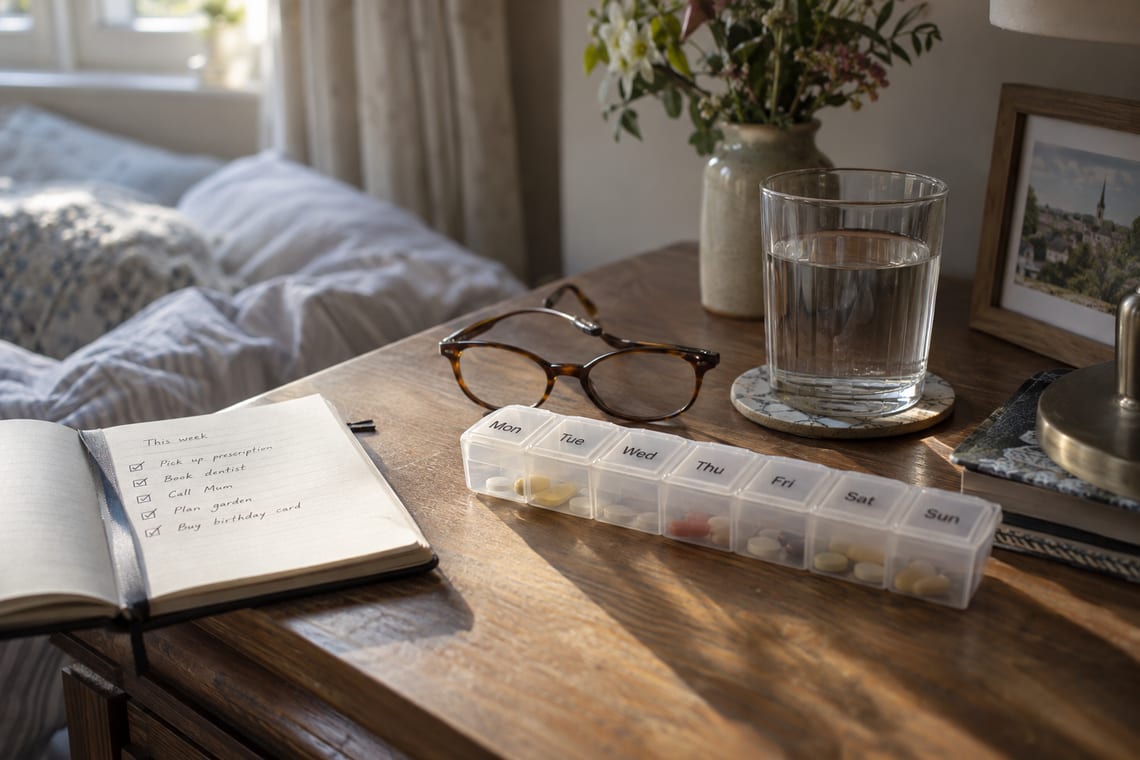
Maintenance treatment in ulcerative colitis — usually an aminosalicylate such as mesalazine, sometimes a thiopurine or a biologic — does not relieve symptoms you can feel day to day. It keeps the inflammation suppressed. Which means that when you are in remission, the medication appears to be doing nothing.
Studies of adherence in ulcerative colitis consistently find that a substantial minority of people take considerably less than prescribed, and that doing so markedly raises the risk of relapse. Mesalazine also appears to reduce the long-term risk of bowel cancer in colitis, so there is a second reason to stay on it.
If cost, side effects or the sheer nuisance of a four-times-a-day regimen are the problem, say so. Once-daily formulations exist, and granules can be easier than large tablets.
2. NSAIDs — ibuprofen, naproxen, aspirin, diclofenac
Non-steroidal anti-inflammatory drugs reduce prostaglandins, which among other things protect the gut lining. In inflammatory bowel disease they are a recognised trigger for relapse.
Paracetamol is the usual recommendation for everyday pain. If you have joint pain related to your colitis — which is common — do not simply reach for ibuprofen; ask your IBD team, because treating the underlying inflammation is often the better route.
Check cold and flu remedies and period pain products, which frequently contain ibuprofen without making it obvious on the front of the box.
3. Gut infection
Any gastroenteritis can tip active inflammation back on. One infection deserves its own mention: Clostridioides difficile. It is considerably more common in people with ulcerative colitis than in the general population, it produces symptoms indistinguishable from a flare, and it is treated entirely differently — steroids make it worse.
This is why your team will almost always ask for a stool sample at a significant relapse. It is not bureaucracy; it genuinely changes the treatment. Cytomegalovirus is a second infection checked for in steroid-refractory flares.
4. Antibiotics
A course of antibiotics for something unrelated disturbs the colonic microbiome and can both provoke relapse and open the door to C. difficile. Take antibiotics you need, mention your colitis to the prescriber, and report any new diarrhoea that follows.
5. Giving up smoking
Counter-intuitive and well documented. Ulcerative colitis is more common in non-smokers and ex-smokers, and some people have their first flare, or a worsening of established disease, in the first few years after stopping.
This is emphatically not a reason to keep smoking. The cardiovascular and cancer risks dwarf any effect on colitis. But if you have recently stopped and your colitis has become harder to control, the two are probably connected — tell your team, because it may affect how they plan your treatment.
6. Stress and poor sleep
The mechanism is better established than it once was: psychological stress alters gut motility, increases intestinal permeability and shifts immune signalling. Poor sleep does much the same. Neither causes ulcerative colitis, but both plausibly contribute to relapse in someone who already has it.
This cuts both ways, and it is worth being clear about: the fact that stress can contribute does not mean your flare is your fault for not coping well enough.
7. Hormonal cycles
Many women report a predictable worsening of symptoms around menstruation. Prostaglandin changes affect gut motility, and this is a recognised pattern rather than an impression. Worth logging, because it helps distinguish a cyclical pattern from a genuine relapse.
Spotting a flare early
Treated early, a flare is usually easier to settle and does less damage. The things to watch for:
| Early sign | What it suggests |
|---|---|
| Blood or mucus returning | The most reliable early marker in ulcerative colitis |
| More stools than your usual baseline | Rising inflammation |
| Urgency, or tenesmus coming back | Active rectal inflammation |
| Needing the toilet at night | Almost always means genuine inflammation |
| Fatigue out of proportion | Often precedes the bowel symptoms by days |
| Joint aches, mouth ulcers, sore eyes | Extraintestinal signs can lead the flare |
Knowing your own baseline is what makes this work. Most people find a simple note of stool frequency and whether blood is present is enough.
What to do in the first 48 hours
- Contact your IBD team. Most UK services have an IBD nurse advice line. Use it early — it exists for this, and it is far more useful at day two than at week six.
- Follow your flare plan if you have one. Many people are given a written plan allowing them to step up rectal or oral mesalazine, or start a steroid course, without waiting for an appointment.
- Expect a stool sample request. Infection has to be excluded.
- Stop any NSAIDs. Switch to paracetamol.
- Keep fluids up. Blood and fluid loss adds up quickly. Oral rehydration sachets are worth having in the cupboard.
- Shift to a low-residue diet for now — see our guide on foods to avoid.
- Write it down. Stool count, blood yes or no, pain, temperature. Your team will ask, and precise answers get better decisions.
When not to wait
Go to A&E or seek same-day urgent care if you have:
- Six or more bloody stools a day, particularly with fever or a resting pulse over 90 — this is the threshold for acute severe ulcerative colitis
- Severe, constant or spreading abdominal pain
- A swollen, tender, drum-tight abdomen, which can indicate toxic megacolon
- Dizziness, breathlessness or marked pallor, suggesting significant blood loss
- Inability to keep fluids down
Acute severe colitis is treated in hospital with intravenous steroids and close monitoring, and it responds well to prompt treatment. It is one of the few situations in chronic illness where hours matter.
When there is no trigger
Plenty of flares arrive out of a clear sky. Nothing changed, nothing was missed, nothing explains it. Inflammatory bowel disease has its own internal rhythm, and the immune system does not always need a prompt.
If you cannot find a cause, you have not failed to look hard enough. Log what you can, treat the flare, and move on. The energy spent hunting for a trigger that was never there is better spent on the two things that genuinely reduce your flare rate: taking your maintenance medication, and getting in touch early when symptoms turn.